
Summary
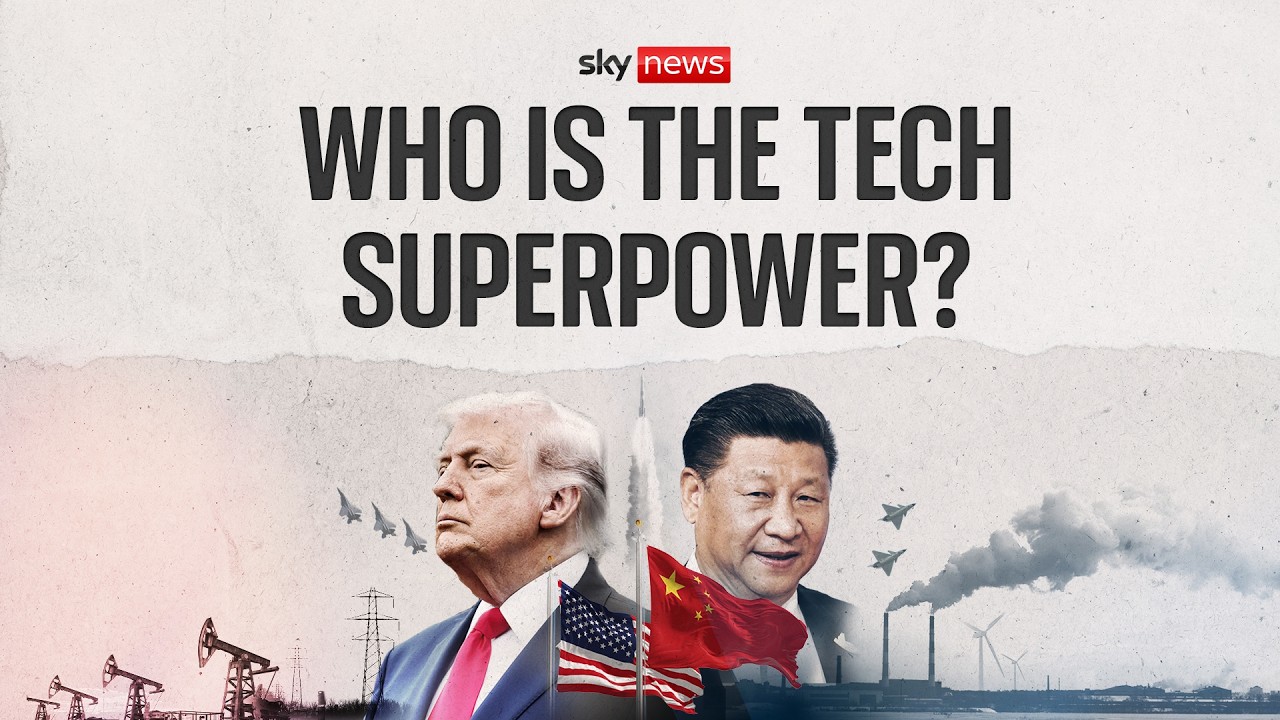
A seismic shift is underway in the global technology landscape, with **China's rapid advancements in Artificial Intelligence (AI)** posing a significant challenge to the **United States' long-held dominance**. Analysts like **Rory Green** of TS Lombard warn of a "tech shock" driven by China's ability to combine cutting-edge technology with emerging-market production costs and a vast supply chain. Beijing's substantial **national AI fund of 60.06 billion yuan ($8.69 billion)** and the **"AI+" initiative** are fueling this surge, aiming to integrate AI across its economy. This development is not just about AI models but also about **homegrown chips**, with **Huawei** closing the gap on industry leader **Nvidia** by leveraging cheaper power and larger chip volumes. The potential emergence of a **"China tech sphere"** could offer developing economies a compelling alternative to Western offerings, potentially reshaping global tech infrastructure within a decade. This narrative is further amplified by observations from **Demis Hassabis**, CEO of **Google DeepMind**, who noted China's AI models are closer to Western capabilities than previously assumed. Meanwhile, **US tech giants** like Amazon, Microsoft, Meta, and Alphabet are committing up to **$700 billion** to AI capital expenditure, a move that has already triggered market jitters and significant stock value fluctuations. This massive investment, coupled with growing **"nervousness around U.S. exceptionalism"** as noted by **Karim Moussalem** of Selwood Asset Management, highlights the intensifying competition and the uncertain returns on such colossal spending.
Key Takeaways
- China's AI advancements, backed by significant state investment, are challenging US technological hegemony.
- Cost advantages and integrated supply chains are key drivers of China's competitive edge in AI.
- US tech giants are making massive AI investments, but concerns about returns and market dominance are rising.
- Developing economies may increasingly opt for lower-cost Chinese tech solutions.
- The global AI landscape is becoming more multipolar, with significant geopolitical and economic implications.
Balanced Perspective
China's aggressive push into AI, backed by significant state funding and a focus on integrated supply chains and cost advantages, is a verifiable trend. **Huawei's progress in chip technology** and the widespread adoption of AI through initiatives like "AI+" are concrete developments. The comparison between **US hyperscalers' massive capital expenditure** and China's state-backed approach highlights differing economic models at play. The ultimate impact on global tech adoption and market share remains to be seen, contingent on factors like geopolitical relations, intellectual property concerns, and the actual performance and scalability of Chinese AI technologies.
Optimistic View
The rise of China's AI capabilities presents a powerful opportunity for global technological democratization. By offering **low-cost, high-performance AI solutions**, China could empower developing nations, enabling them to leapfrog traditional technological barriers and foster economic growth. This competition will likely spur further innovation from **US and European companies**, leading to better and more affordable AI technologies for everyone. The potential for a **"China tech sphere"** could foster a more diverse and resilient global digital ecosystem, reducing reliance on any single nation's infrastructure.
Critical View
The unchecked growth of China's AI sector, fueled by state subsidies and potentially less stringent ethical or data privacy regulations, poses a significant risk to global stability and **US technological leadership**. The formation of a **"China tech sphere"** could lead to a fragmented internet, increased surveillance capabilities, and a decline in democratic values globally. The massive capital expenditure by US tech giants, while indicative of innovation, also signals a potentially unsustainable arms race with questionable returns, risking economic instability and further concentrating power within a few dominant companies.
Source
Originally reported by CNBC