
Contents
- 🎵 Origins & History
- ⚙️ How It Works
- 📊 Key Facts & Numbers
- 👥 Key People & Organizations
- 🌍 Cultural Impact & Influence
- ⚡ Current State & Latest Developments
- 🤔 Controversies & Debates
- 🔮 Future Outlook & Predictions
- 💡 Practical Applications
- 📚 Related Topics & Deeper Reading
- Frequently Asked Questions
- References
- Related Topics
Overview
Big data emerged in the early 2000s as a response to the exponential growth of data generated by digital activities. The term gained traction with the advent of technologies like Hadoop, developed by Doug Cutting in 2005, which allowed for distributed data processing. The concept was further popularized by industry leaders such as IBM and Microsoft, who recognized the potential of analyzing large data sets for business intelligence. This evolution reflects the increasing reliance on data-driven decision-making across sectors.
⚙️ How It Works
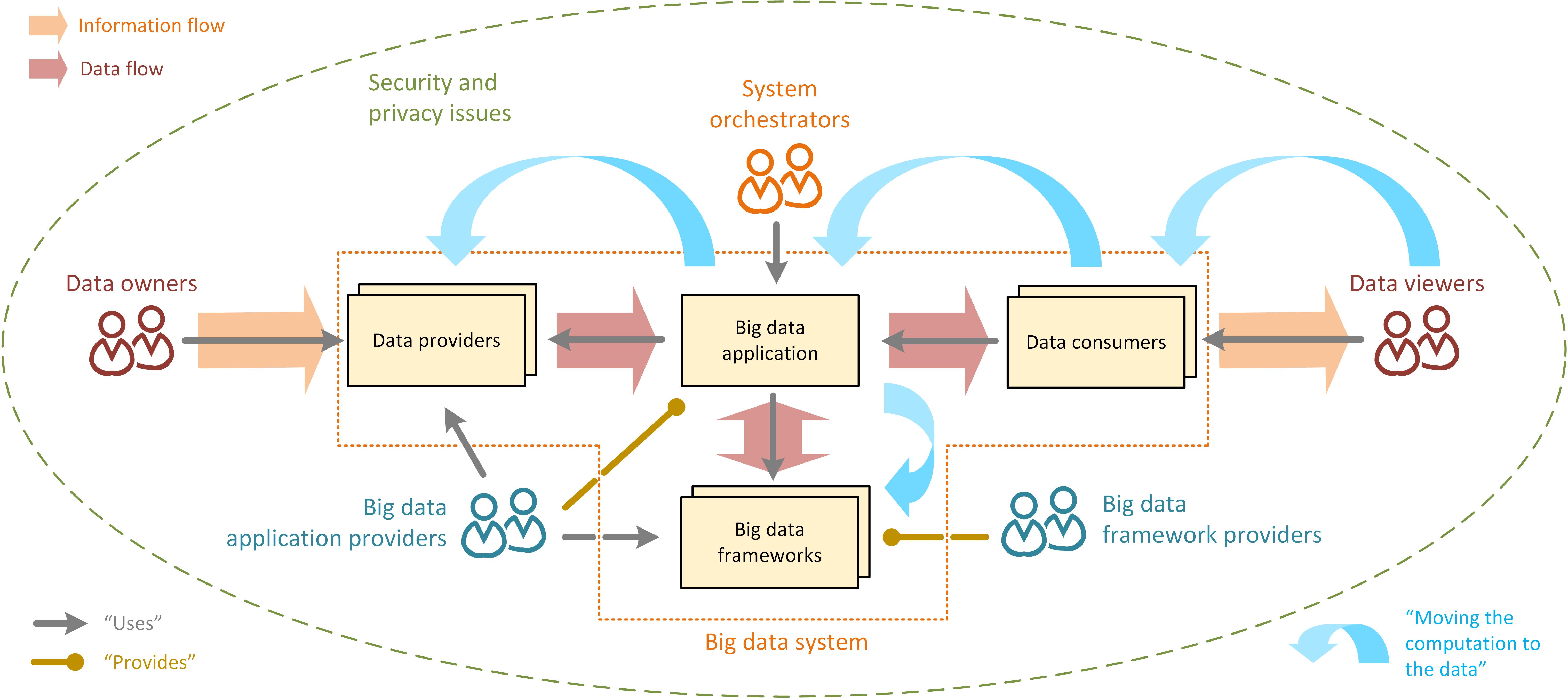
Big data operates on the principles of capturing, storing, and analyzing vast amounts of information from diverse sources. Technologies such as Apache Hadoop and Apache Spark facilitate the processing of large data sets by distributing tasks across multiple servers. The architecture typically involves data lakes for storage, which allow for the ingestion of structured and unstructured data. Data analysis techniques, including machine learning and statistical modeling, are employed to extract insights and patterns. For instance, companies like Google utilize big data analytics to enhance user experience and optimize advertising strategies.
📊 Key Facts & Numbers
Key figures in the big data landscape include Jeff Bezos, founder of Amazon, which leverages big data for personalized recommendations, and Sundar Pichai, CEO of Google, whose company utilizes big data analytics to enhance search algorithms and ad targeting. Organizations like Cloudera and Databricks are also pivotal in providing platforms and tools for big data management and analytics. Their contributions have shaped the way businesses harness data for competitive advantage.
👥 Key People & Organizations
The cultural impact of big data is profound, influencing everything from marketing strategies to public policy. For example, the use of big data in healthcare has reportedly led to improved patient outcomes through predictive analytics and personalized medicine. In the realm of social media, platforms like Facebook and Twitter analyze user data to tailor content and advertisements, raising questions about privacy and data ethics. The 2016 U.S. presidential election showcased the power of big data in political campaigning, with firms like Cambridge Analytica utilizing data analytics to target voters effectively.
🌍 Cultural Impact & Influence
As of 2024, the big data landscape is characterized by rapid advancements in artificial intelligence (AI) and machine learning, which are increasingly integrated into data analytics processes. Companies are investing heavily in cloud-based solutions. Recent developments include the rise of edge computing, which allows data processing closer to the source, reducing latency and bandwidth use. Additionally, regulatory frameworks such as the General Data Protection Regulation (GDPR) in Europe are shaping how organizations handle data privacy and security.
⚡ Current State & Latest Developments
Controversies surrounding big data often center on privacy, security, and ethical use. Critics argue that the collection and analysis of personal data can lead to surveillance and misuse. Proponents, however, assert that big data can drive innovation and improve lives when used responsibly. The debate continues over how to balance data utilization with individual privacy rights, particularly as regulations evolve to address these concerns.
🤔 Controversies & Debates
Looking ahead, the future of big data is poised for significant transformation. Experts predict that the integration of AI will enhance data analytics capabilities, enabling real-time insights and automation. Organizations that can effectively navigate the complexities of big data will likely gain a competitive edge in their respective industries.
🔮 Future Outlook & Predictions
Related topics to explore include data science, which encompasses the methodologies used in big data analysis, and machine learning, a key technology driving big data insights. Other relevant areas include cloud computing, which provides the infrastructure for big data storage and processing, and cybersecurity, essential for protecting sensitive data. Further reading on these subjects can provide deeper insights into the interconnected nature of big data and its applications.
Key Facts
- Year
- 2024
- Origin
- Global
- Category
- tech-guides
- Type
- concept
Frequently Asked Questions
What are the main challenges associated with big data?
The main challenges of big data include data storage, analysis, and privacy concerns. Organizations often struggle with the sheer volume of data generated, which can exceed traditional storage capabilities. Additionally, ensuring data quality and reliability (veracity) is crucial, as poor data can lead to inaccurate insights. Privacy issues arise from the collection and use of personal data, necessitating compliance with regulations like GDPR. Companies must invest in robust technologies and skilled personnel to effectively manage these challenges.
How is big data used in healthcare?
In healthcare, big data is utilized for predictive analytics, patient care optimization, and research. For example, hospitals analyze patient data to identify trends and improve treatment outcomes.